
On this page
If you want to challenge a criminal conviction, you have to act quickly. The deadline to file a notice of appeal in California is short, and missing it can end your right to appeal. Filing the notice preserves that right and starts the process, which gives your lawyer time to obtain the record and review it for errors. The Hallinan Law Firm handles appeals from convictions in San Francisco and Alameda County.
Appeal Deadlines
- Felony convictions: the notice of appeal is generally due within 60 days after the judgment or order you are appealing.
- Misdemeanor convictions: the notice is generally due within 30 days.
These deadlines run from sentencing, not from the day you decide you want to appeal. If you are close to the deadline, contact a lawyer right away.
Where Criminal Appeals Are Heard
Felony appeals from both San Francisco and Alameda County go to the California Court of Appeal, First Appellate District, which sits in San Francisco. Misdemeanor appeals go to the appellate division of the superior court in the county where you were convicted. That means San Francisco misdemeanor appeals stay in San Francisco Superior Court, and Oakland misdemeanor appeals stay in Alameda County Superior Court.
Is an Appeal the Same as a New Trial?
No. There is no jury and there are no witnesses. The appellate court reviews the written record of what happened in the trial court, including transcripts, exhibits and the judge's rulings, and decides whether a legal error was made. New evidence generally cannot be introduced on appeal.
It is also not enough to show that an error happened. In most cases, you must show that the error was serious enough that it likely affected the outcome. If the appeal succeeds, the court may reverse the conviction, order a new trial, or correct the sentence.
How the Appeal Process Works
- Notice of appeal. A short filing that preserves your right to appeal.
- The record. The court prepares transcripts of the hearings and copies of the filings and exhibits.
- Opening brief. Your lawyer reviews the record and writes a brief explaining the errors and why they matter.
- Response and reply. The prosecution files its brief, and your lawyer can file a reply.
- Argument and decision. The court may hear oral argument, then issues a written decision.
The process often takes many months, so it helps to plan for that from the start.
Common Grounds for Appeal
- Evidence that should have been excluded, or defense evidence that was wrongly kept out
- Incorrect jury instructions
- Evidence that was legally insufficient to support the verdict
- Denial of a motion to suppress evidence from an illegal search
- Prosecutorial misconduct
- Sentencing errors
If You Pleaded Guilty
An appeal after a guilty or no-contest plea is more limited. To challenge the validity of the plea itself, you usually need a certificate of probable cause from the trial court. Some issues, such as sentencing errors and the denial of a motion to suppress evidence, can be raised without one.
Other Ways to Challenge a Conviction
An appeal is limited to what is in the record. Some problems are not, such as a trial lawyer's failure to investigate or to call an important witness. Those claims are usually raised through a petition for a writ of habeas corpus, which can include new evidence. Before sentencing, a motion for a new trial may also be an option.
Why Hire a New Lawyer for Your Appeal
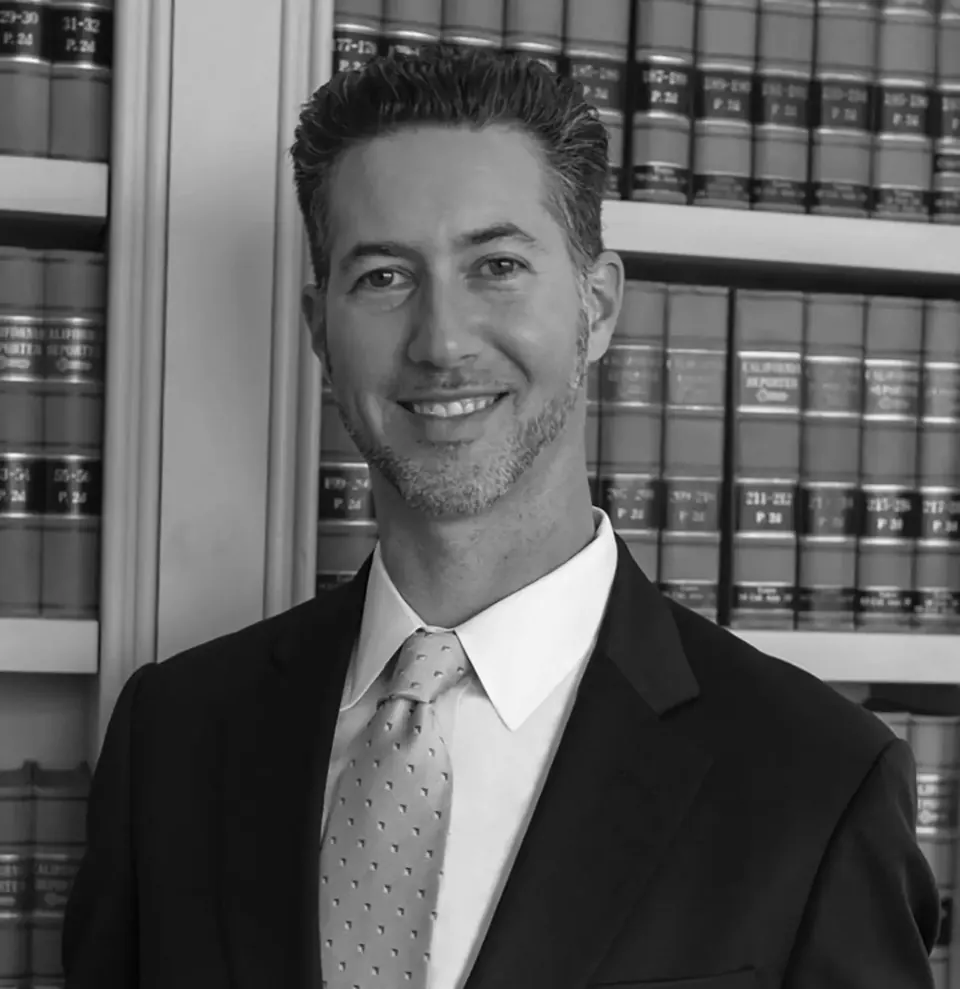
Many people hire a different lawyer for the appeal than the one who handled the trial. A new lawyer brings a fresh look at the record and can raise issues the trial lawyer may have missed. If the trial lawyer's own performance is part of the problem, a different lawyer is needed to raise that claim. Neil Hallinan's background as a trial lawyer, with more than 45 cases tried to verdict, helps him spot where a trial went wrong. If your case is still in the trial court, see our page on felony defense.
Will I Stay in Custody During My Appeal?
After a misdemeanor conviction, you generally have a right to be released on bail while the appeal is pending. That lets you return to your job and family while you wait for a decision.
After a felony conviction, release is up to the judge. The court considers whether you are likely to flee, whether you pose a danger to others, and whether the appeal raises a substantial legal question rather than simply delaying the sentence. Showing that you are not a flight risk is a big part of that request.
Talk to Neil Hallinan
If you are considering an appeal, contact us as soon as possible so the deadline does not pass. Your first consultation is free and confidential.
Areas We Serve
We take these cases from two Bay Area offices, and also appear in Marin, San Mateo, Santa Clara, Contra Costa and Solano county courts.
San Francisco Criminal Defense Lawyer
Law Chambers Building, 345 Franklin Street, San Francisco, CA 94102. Most San Francisco criminal cases are heard at the Hall of Justice, 850 Bryant Street.
Oakland Criminal Defense Lawyer
1432 Martin Luther King Jr Way, Oakland, CA 94612. Alameda County cases are heard at the René C. Davidson Courthouse, 1225 Fallon Street, and the Wiley W. Manuel Courthouse, 661 Washington Street.