
On this page
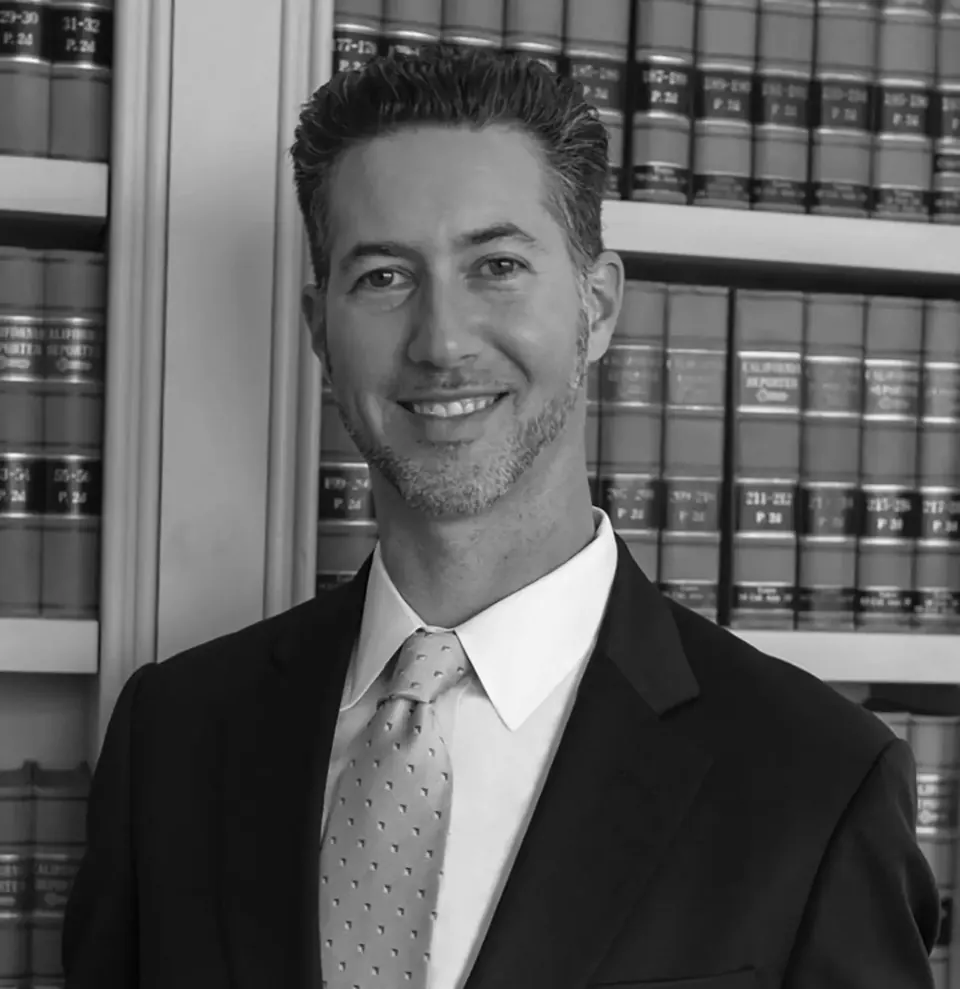
Robbery is a serious charge in California. It is a violent felony and a strike, so a conviction can affect any sentence you face for the rest of your life. Often, the difference between robbery and a much less serious theft charge comes down to one question: was force or fear used? Neil Hallinan, a former public defender who represented more than 1,000 clients, defends people charged with robbery and related offenses in San Francisco, Oakland and across the Bay Area.
What Robbery Means Under Penal Code 211
Under Penal Code 211, robbery is taking property from another person, or from their immediate presence, against their will, by force or fear. To convict you, the prosecution must prove that:
- You took property that was not yours.
- The property was taken from the other person or their immediate presence.
- It was taken against that person's will.
- You used force or fear to take it or to keep it.
- You intended to deprive the owner of the property permanently.
Force or fear used to keep property or to get away can be enough. A shoplifting case can become a robbery charge if prosecutors say the person pushed or threatened a security guard while leaving the store.
Robbery Penalties
California divides robbery into two degrees:
- First-degree robbery covers robbery in an inhabited home, robbery of someone using or who just used an ATM, and robbery of a bus, taxi or transit driver or passenger. In most cases it carries three, four or six years in state prison.
- Second-degree robbery covers all other robberies, including street and store robberies. It carries two, three or five years in state prison.
Because robbery is classified as a violent felony, a person sentenced to prison has to serve most of the term before release. Using a firearm during a robbery triggers separate sentence enhancements that can add many years, and those cases can also be referred for federal prosecution. See our gun charges page for more on that.
Robbery vs. Theft vs. Burglary
These charges are often confused, and the right label makes a large difference in your exposure.
- Robbery requires force or fear against a person.
- Theft is taking property without force or fear, such as shoplifting from a store. It is far less serious, and many theft cases are misdemeanors.
- Burglary (Penal Code 459) is entering a building or certain other structures intending to commit theft or a felony inside. It does not require force or a victim present.
If the evidence does not show force or fear, the case should be a theft case, not a robbery. Our theft defense page covers those charges.
Defenses to Robbery Charges
Alibi
One of the strongest defenses is proof that you were somewhere else when the robbery happened. Cell phone location records, credit card receipts, video footage and witnesses can all establish an alibi, and a credible alibi makes it very hard for the prosecutor to prove guilt beyond a reasonable doubt.
Mistaken Identification
Many robberies happen quickly, at night, between strangers, and with a weapon that draws the victim's attention. Those are the conditions in which eyewitnesses make mistakes. Your lawyer can examine how police showed the witness a photo lineup or brought them to see a suspect, and whether those procedures pushed the witness toward you.
No Force or Fear
Sometimes the defense is not that nothing happened, but that the prosecution has charged something more serious than what occurred. If no force or fear was used, the offense is theft, not robbery.
Illegal Searches and Weak Evidence
Prosecutors often rely on property, clothing or phones found in a search. If police searched you, your car or your home without a valid warrant or a legal exception, your lawyer can ask the court to suppress that evidence. More generally, the prosecution must prove every element beyond a reasonable doubt. Your lawyer's job is to show the jury where that doubt exists.
How a Robbery Case Moves Through Court
San Francisco robbery cases are heard at the Hall of Justice, 850 Bryant Street. Alameda County felony cases are heard in Oakland at the René C. Davidson Courthouse, 1225 Fallon Street. After arraignment, a felony case goes to a preliminary hearing, where a judge decides whether there is enough evidence for trial. This is often the first chance to cross-examine the alleged victim and the investigating officer. Neil Hallinan has handled hundreds of preliminary hearings and has tried more than 45 cases to verdict. If you are questioned before you have a lawyer, read our guide on what not to say to police.
Consequences Beyond the Sentence
A robbery conviction can affect your future work, education and housing for years. Because it is a strike, it can double the sentence for any later felony. Non-citizens can also face serious immigration consequences. That is why it matters to fight the charge, or the degree of the charge, from the start.
If you or a family member has been accused of robbery, talk with Neil Hallinan directly. The first consultation is free and confidential.
Areas We Serve
We take these cases from two Bay Area offices, and also appear in Marin, San Mateo, Santa Clara, Contra Costa and Solano county courts.
San Francisco Criminal Defense Lawyer
Law Chambers Building, 345 Franklin Street, San Francisco, CA 94102. Most San Francisco criminal cases are heard at the Hall of Justice, 850 Bryant Street.
Oakland Criminal Defense Lawyer
1432 Martin Luther King Jr Way, Oakland, CA 94612. Alameda County cases are heard at the René C. Davidson Courthouse, 1225 Fallon Street, and the Wiley W. Manuel Courthouse, 661 Washington Street.