
On this page
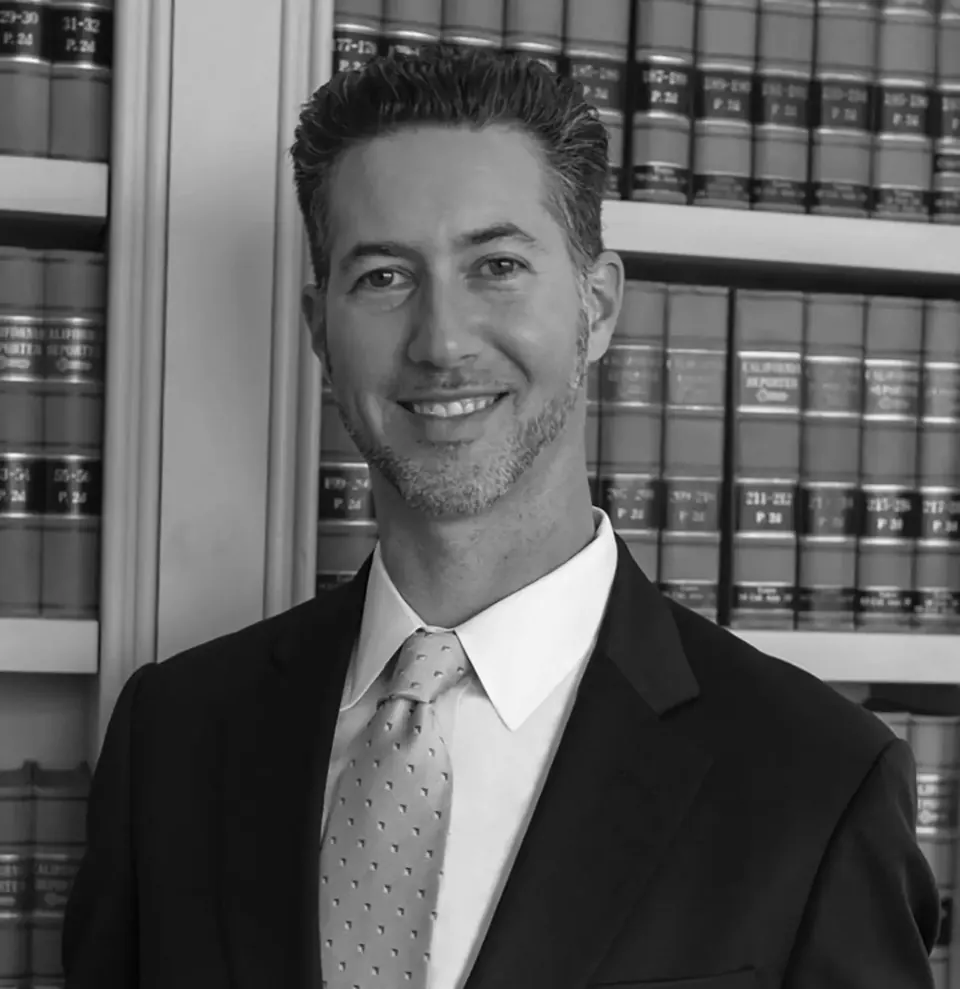
Many people assume a misdemeanor is minor and plead guilty at the first court date to get it over with. That can be a mistake. A misdemeanor conviction is a permanent criminal record unless it is later cleared, and it can lead to jail, probation, fines and a harsher sentence if you are ever charged again. Neil Hallinan, a former public defender who represented more than 1,000 clients, defends misdemeanor charges in San Francisco and Alameda County.
What Is a Misdemeanor in California?
A misdemeanor is a crime punishable by up to 364 days in county jail. Most standard misdemeanors carry up to six months in jail and a fine of up to $1,000, though some offenses carry more. Common misdemeanor charges include:
- Petty theft and shoplifting
- Simple drug possession
- Driving under the influence (DUI)
- Public intoxication
- Simple assault and battery
- Vandalism
- Trespassing and disorderly conduct
Some crimes, such as many fraud and domestic violence offenses, are "wobblers" that the prosecutor can charge as either a misdemeanor or a felony. Prior convictions can also turn what would normally be a misdemeanor into a felony. If you are facing a felony, see our page on felony defense.
Penalties Beyond Jail
Even when jail is unlikely, a misdemeanor conviction can bring:
- Fines, fees and restitution
- Probation, usually up to one year, with longer terms for some offenses such as DUI and domestic violence
- Community service or work programs
- Mandatory classes, counseling or treatment programs
- Suspension of your driver's license in DUI and some other cases
- Protective orders in assault and domestic violence cases
Violating probation can expose you to the full jail sentence that could have been imposed in the first place.
Do I Need a Lawyer for a Misdemeanor?
The biggest consequence of a misdemeanor conviction is often the record itself. If you have no record, you will have one. If you already have one, it gets longer, and that history can be used to increase the charge or the sentence in a future case. A record can make it harder to get a job, rent an apartment or get a professional license. Our article on how a criminal record affects your future covers this in more detail.
A lawyer can often keep that record from happening. Options that may be available, depending on the charge and your history, include:
- Dismissal when the evidence is weak or was obtained illegally
- Misdemeanor diversion under Penal Code 1001.95, which lets a judge put the case on hold and dismiss it once you complete the conditions
- Reduction to a lesser charge or an infraction
- A negotiated sentence that avoids jail and limits other penalties
The earlier you bring in a lawyer, the more time there is to investigate and negotiate before the prosecutor's position is set.
What Happens in Court
San Francisco misdemeanor cases are heard at the Hall of Justice, 850 Bryant Street. In Alameda County, cases from Oakland are heard at the Wiley W. Manuel Courthouse, 661 Washington Street, and the René C. Davidson Courthouse, 1225 Fallon Street.
A misdemeanor case starts with an arraignment, where you are formally charged and enter a plea. It then moves through one or more pretrial conferences, where most negotiation happens, and to trial if it does not resolve. In many misdemeanor cases a lawyer can appear in court on your behalf, so you may not have to miss work for every hearing. Some charges, such as domestic violence, require you to be present at certain hearings.
Common Defenses
The right defense depends on the facts, but misdemeanor cases are often weaker than they first appear. A lawyer will look at:
- Whether police had a lawful reason to stop, detain or search you
- Whether your statements were taken in violation of your rights
- Whether the witnesses are credible and consistent
- Whether the evidence actually proves every element of the charge
- Whether character evidence or mitigating facts support a better outcome
Read about the role of character witnesses in criminal cases.
Misdemeanor DUI Charges
Most first and second DUI charges in California are filed as misdemeanors. There may be ways to defend the case even when a breath or blood test result looks bad. Your lawyer can challenge the reason for the stop, how the officer gave field sobriety tests, and how breath or blood samples were collected and analyzed. A mistake by the officer or the lab can undermine a charge.
In some cases, a DUI can be negotiated down to "wet reckless" (reckless driving involving alcohol, Vehicle Code 23103.5). A wet reckless is still a misdemeanor, but it carries lighter penalties than a DUI conviction. A DUI cannot be reduced to an infraction.
Field Sobriety Tests and Chemical Tests
Field sobriety tests, such as the eye test (horizontal gaze nystagmus), the walk-and-turn and the one-leg stand, are voluntary, and you can politely decline them. They are subjective, and sober people fail them because of nerves, inner ear problems, injuries or other health conditions. Chemical testing is different. Under California's implied consent law, refusing a breath or blood test after a lawful DUI arrest leads to a license suspension and can be used against you in court. For more, see our page on DUI defense.
Collateral Consequences
A misdemeanor can affect your job prospects, housing applications and professional licenses, and some offenses carry immigration consequences for non-citizens. Drug convictions, in particular, can still affect employment, housing and licensing. One change is worth knowing: under the FAFSA Simplification Act, the Free Application for Federal Student Aid (FAFSA) no longer asks about drug convictions, and a drug conviction no longer affects eligibility for federal student aid.
Clearing a Misdemeanor From Your Record
If you were convicted, you may be able to have the case dismissed under Penal Code 1203.4 after completing probation. An expungement does not erase every consequence, but it means most private employers cannot consider the conviction. See how long a misdemeanor stays on your record.
Talk to Neil Hallinan
You will deal with Neil Hallinan directly. Consultations are free, confidential and carry no obligation, so there is nothing to lose by finding out what your options are.
Areas We Serve
We take these cases from two Bay Area offices, and also appear in Marin, San Mateo, Santa Clara, Contra Costa and Solano county courts.
San Francisco Criminal Defense Lawyer
Law Chambers Building, 345 Franklin Street, San Francisco, CA 94102. Most San Francisco criminal cases are heard at the Hall of Justice, 850 Bryant Street.
Oakland Criminal Defense Lawyer
1432 Martin Luther King Jr Way, Oakland, CA 94612. Alameda County cases are heard at the René C. Davidson Courthouse, 1225 Fallon Street, and the Wiley W. Manuel Courthouse, 661 Washington Street.