
On this page
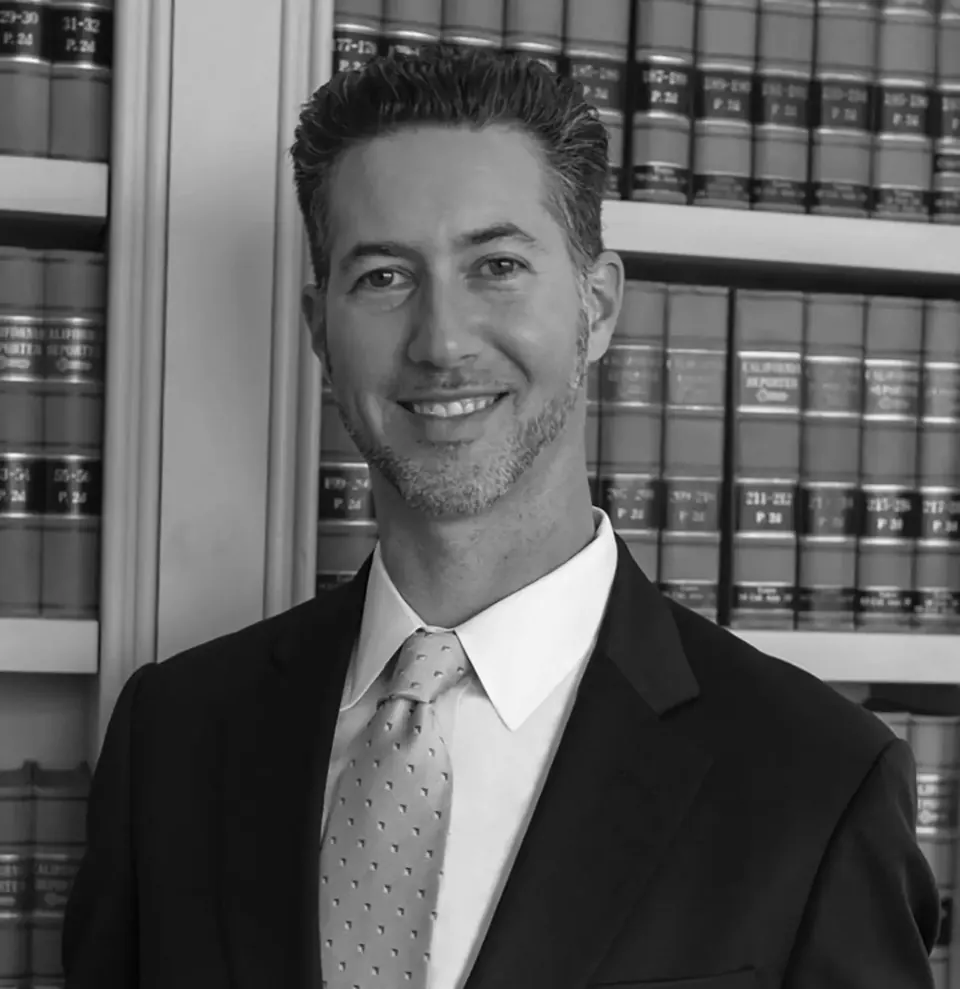
A felony charge puts years of your life on the line, and a conviction can affect your work, your housing and your rights long after any sentence ends. The decisions made early in the case, including what you say to police, often shape how it ends. Neil Hallinan spent almost a decade as a public defender in Sacramento and Alameda counties, has handled hundreds of preliminary hearings, and has tried more than 45 cases to verdict. He defends felony charges in San Francisco, Oakland and across the East Bay.
What Is a Felony in California?
A felony is the most serious class of crime. It can be punished by more than a year of custody, served in state prison or, for many offenses since California's 2011 realignment, in county jail. Common felony charges include:
- Robbery
- Rape and other serious sex offenses
- Arson
- Residential burglary
- Sale or transportation of a controlled substance
- Some forms of vehicular manslaughter
- Assault with a deadly weapon
Many crimes are "wobblers," meaning the prosecutor can file them as either a felony or a misdemeanor. Grand theft, second-degree burglary and many assault and domestic violence charges fall in this group. Getting a wobbler filed or reduced as a misdemeanor is often one of the most valuable things a defense lawyer can do. See our page on misdemeanor defense for how those cases differ.
How a Felony Case Moves Through Court
San Francisco felony cases are heard at the Hall of Justice, 850 Bryant Street. Alameda County felony cases, including those from Oakland, are heard at the René C. Davidson Courthouse, 1225 Fallon Street. The process generally follows these steps:
- Arrest and bail. The court decides whether you will be released while the case is pending, and on what conditions.
- Arraignment. You are formally charged and enter a plea.
- Preliminary hearing. A judge decides whether there is enough evidence to hold you for trial. This is often the first chance to cross-examine the prosecution's witnesses under oath.
- Pretrial motions. Your lawyer can move to suppress illegally obtained evidence or dismiss charges the evidence does not support.
- Negotiation or trial. Most cases are resolved by agreement, but you have the right to a jury trial, and a case is only as strong as what the prosecutor can prove to twelve jurors.
The preliminary hearing deserves attention. A weak showing there can lead to dismissed or reduced charges, and the testimony locks witnesses into a version of events that can be used at trial. Read more about how felony charges get dropped.
Your Miranda Rights
Miranda v. Arizona, the 1966 U.S. Supreme Court case, requires police to tell people in custody, before questioning them, that:
- You have the right to remain silent.
- Anything you say can be used against you in court.
- You have the right to an attorney.
- If you can't afford an attorney, one will be provided for you.
When Miranda Applies
Police only have to give these warnings when you are in custody and they want to question you. If officers say they "just want to ask a few questions," you may not be in custody, and anything you say can still be used against you. Some officers will tell you whether you are free to leave. Others say nothing, hoping you will keep talking. Officers know that people tend to talk less once they are formally arrested, so they often try to get statements first.
Silence Alone Is Not Enough
To use your rights, you have to invoke them clearly. Say that you are not going to answer questions and that you want a lawyer. In some situations, simply staying quiet without saying so can be used against you. If you waived your rights and started talking, you can change your mind at any point: tell the officers you want a lawyer and stop answering. Our article on avoiding self-incrimination covers what to say and what not to say.
Defending a Felony Charge
Every case is different, but felony defense work usually includes:
- Reviewing police reports, body camera footage and lab results for gaps and errors
- Challenging stops, searches and interrogations that violated your rights
- Investigating independently, including interviewing witnesses the police did not
- Pressing for dismissal, a reduction to a misdemeanor, or a resolution that avoids prison
- Preparing the case for trial, which is also what gives a defense lawyer leverage in negotiations
Consequences of a Felony Conviction
Depending on the charge and your record, a felony conviction can bring:
- State prison or county jail time
- Fines and restitution
- Formal probation
- A lifetime ban on owning or possessing a firearm
- Loss of the right to vote while serving a state prison sentence
- Immigration consequences for non-citizens
- A "strike" on your record for serious or violent felonies, which increases the sentence for any future felony
Life After a Felony: Common Questions
Can an employer ask about felony charges?
California limits what employers can ask. Most employers cannot ask about an arrest that did not lead to a conviction, or about a sealed juvenile record. Under the state's Fair Chance Act, employers with five or more employees generally cannot ask about conviction history until after making a conditional job offer.
What jobs can a felony affect?
Some fields restrict hiring people with certain convictions, especially offenses involving dishonesty. These include banking, insurance, and jobs that require a security clearance, such as some defense contractor positions. Licensed professions, including medicine, dentistry, law, teaching and social work, can deny or discipline a license based on a conviction related to the work.
Can I serve in the armed forces?
A felony conviction generally bars enlistment unless the military grants a waiver.
Can a felony be removed from my record?
Often, yes. If you received probation, you may qualify for expungement under Penal Code 1203.4 after completing it. If the charge was a wobbler, you can ask the court to reduce it to a misdemeanor under Penal Code 17(b). Expungement under 1203.4 is not available if you were sentenced to state prison, though other relief may be.
Talk to Neil Hallinan
When you call, you speak with Neil directly, and the phone is answered 24/7. Your first consultation is free and confidential.
Areas We Serve
We take these cases from two Bay Area offices, and also appear in Marin, San Mateo, Santa Clara, Contra Costa and Solano county courts.
San Francisco Criminal Defense Lawyer
Law Chambers Building, 345 Franklin Street, San Francisco, CA 94102. Most San Francisco criminal cases are heard at the Hall of Justice, 850 Bryant Street.
Oakland Criminal Defense Lawyer
1432 Martin Luther King Jr Way, Oakland, CA 94612. Alameda County cases are heard at the René C. Davidson Courthouse, 1225 Fallon Street, and the Wiley W. Manuel Courthouse, 661 Washington Street.