
On this page
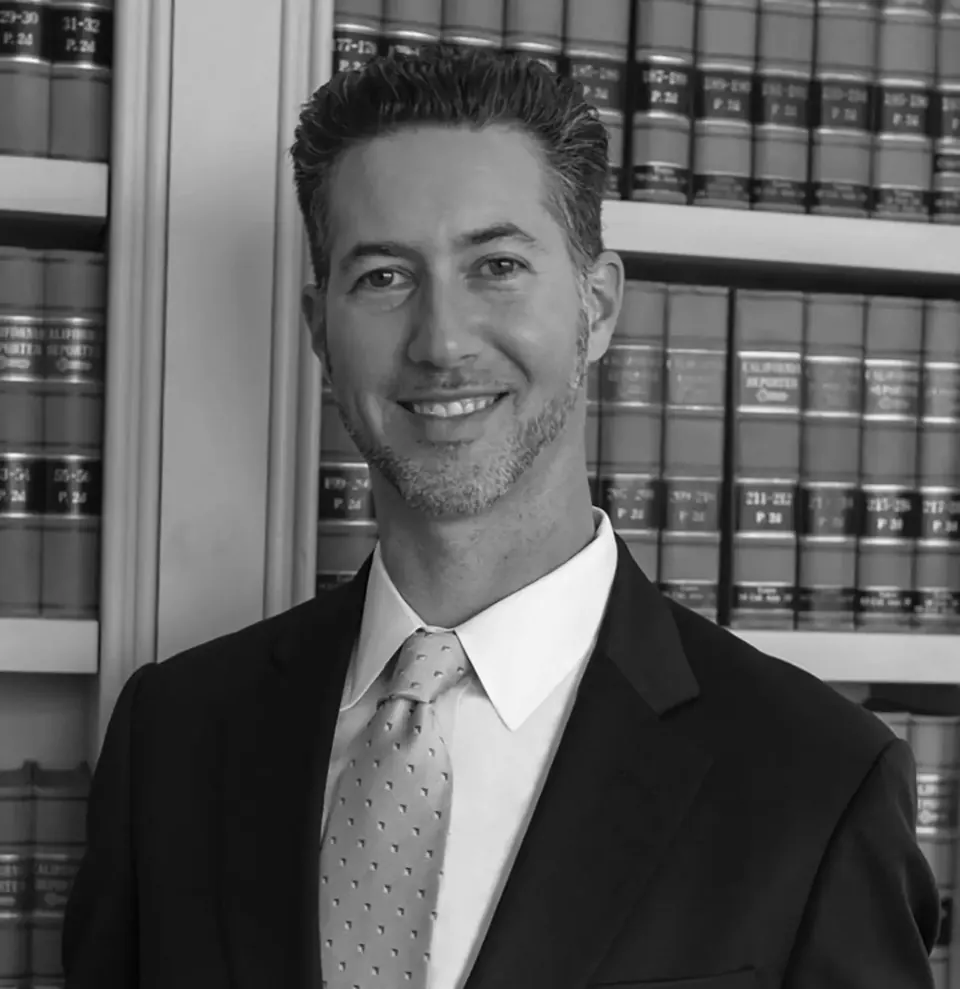
Few accusations change a person's life as fast as a sex crime allegation. Even before any charge is filed, it can affect your job, your housing and your custody arrangements, and a conviction can require years or a lifetime of sex offender registration. If you are under investigation or have been charged, get a lawyer involved now. Neil Hallinan, a former public defender who has tried more than 45 cases to verdict, defends people accused of sex offenses in San Francisco and Alameda County.
If You Are Under Investigation
Many sex crime cases are investigated for weeks or months before an arrest. If a detective calls asking you to "come in and clear things up," that is usually an attempt to get a statement that can be used against you. You have the right to remain silent and the right to a lawyer, and you should use both. Our article on what not to say to police covers this in more detail.
Be careful with every form of communication until your case is resolved:
- Don't discuss the accusation with the accuser. Police in these cases often arrange recorded "pretext" calls or messages from the accuser, hoping you will apologize or admit something.
- Don't post about the case on social media.
- Don't text or email friends or family about the facts.
- Ask your lawyer before you take any step you are unsure about.
Getting a lawyer involved before charges are filed can also matter. In some cases, defense counsel can gather evidence and present information to the prosecutor before the filing decision is made.
Sex Crime Charges We Defend
- Sexual battery (Penal Code 243.4)
- Rape (Penal Code 261)
- Unlawful sexual intercourse with a minor, often called statutory rape (Penal Code 261.5)
- Lewd acts with a child (Penal Code 288)
- Indecent exposure (Penal Code 314)
- Lewd conduct in public (Penal Code 647(a))
- Prostitution and solicitation (Penal Code 647(b))
- Possession of child pornography (Penal Code 311.11)
- Failure to register as a sex offender (Penal Code 290)
Some of these are misdemeanors, some are wobblers that can be charged either way, and some are serious felonies with long prison terms. For felony cases, see also our page on felony defense.
Sex Offender Registration
Registration is often the consequence clients fear most. Since 2021, California has used a three-tier system under Penal Code 290:
- Tier 1: registration for at least 10 years
- Tier 2: registration for at least 20 years
- Tier 3: registration for life
Not every sex-related conviction requires registration. Some offenses require it automatically, others leave it to the judge, and some, such as prostitution, do not require it at all. People in tiers 1 and 2 can petition to end registration once their minimum period is over. Because the charge you plead to determines whether and how long you register, registration is often the central issue in negotiations.
How We Build a Defense
Sex crime cases are often an uphill fight, and many people assume the jury will simply believe the accuser and the police. That assumption is wrong. These cases often rest on one person's word, limited physical evidence and contested timelines, and each piece can be tested. Depending on the case, our work may include:
- Interviewing the accuser's associates and other key witnesses
- Collecting texts, call logs, social media and location data that show what actually happened
- Reviewing or independently testing DNA and other forensic evidence
- Checking whether police gathered evidence legally
- Comparing the accuser's statements over time for inconsistencies
California's rape shield law limits evidence about an accuser's sexual history, so the investigation focuses on what the law allows: statements, motives, timelines and physical evidence.
Common Defenses
False Accusation and Witness Credibility
Prosecutors often rely heavily on witness testimony. Not every witness is credible. Some have a motive to lie, such as a custody dispute, a bad breakup or a desire for revenge. Careful cross-examination can expose those motives and inconsistent accounts and create reasonable doubt.
Consent
In cases involving adults, whether the other person consented is often the central question. Messages and conduct before and after the encounter can be important evidence. Consent is not a defense to charges involving a minor.
Evidence Suppression
The Fourth Amendment protects against unreasonable searches and seizures, and police generally need a warrant to search your home or phone. If officers violated those rules, the judge can exclude the evidence they found.
Improper Police Conduct
Interrogation is a frequent problem area. People have made false confessions after long, high-pressure questioning. Statements taken in violation of your Miranda rights, or obtained through coercion, can be challenged.
Mistaken Identity
Where the accuser did not know the person, identification errors happen. DNA and other forensic evidence can confirm or rule out who was involved.
Why Not Represent Yourself
Some people accused of a sex crime ask to represent themselves, either to save money or because they are certain they can explain what happened. Given the stakes, that is a serious risk. A defense lawyer can start investigating right away, deal with the prosecutor, and keep you from making statements that hurt your case.
What Happens in Court
San Francisco cases are heard at the Hall of Justice, 850 Bryant Street. Alameda County cases, including those from Oakland, are heard at the René C. Davidson Courthouse, 1225 Fallon Street. In felony cases, the preliminary hearing is an early chance to test the accuser's account under oath and challenge weak evidence. Neil Hallinan has handled hundreds of preliminary hearings.
Common Questions
If the accuser takes it back, will the charges be dropped?
Not necessarily. Once a case is filed, the prosecutor decides whether to continue, not the accuser. A recantation can still be important evidence, and how it is handled matters.
Will an arrest show up even if I'm never charged?
An arrest can appear in some records, but California law limits how most employers can use an arrest that did not lead to a conviction. If you were arrested and not charged, you may be able to have the arrest record sealed.
Can I be investigated without knowing it?
Yes. Police often gather records and interview witnesses before contacting the suspect. If you think you may be under investigation, talk to a lawyer before you talk to anyone else.
Talk to Neil Hallinan
You will deal with Neil Hallinan directly, not a case manager. Your first consultation is free and confidential.
Areas We Serve
We take these cases from two Bay Area offices, and also appear in Marin, San Mateo, Santa Clara, Contra Costa and Solano county courts.
San Francisco Criminal Defense Lawyer
Law Chambers Building, 345 Franklin Street, San Francisco, CA 94102. Most San Francisco criminal cases are heard at the Hall of Justice, 850 Bryant Street.
Oakland Criminal Defense Lawyer
1432 Martin Luther King Jr Way, Oakland, CA 94612. Alameda County cases are heard at the René C. Davidson Courthouse, 1225 Fallon Street, and the Wiley W. Manuel Courthouse, 661 Washington Street.