

On this page
- Steps to Take After a False Domestic Violence Accusation
- Building a Strong Defense Against False Allegations
- Legal Defenses Against False Domestic Violence Claims
- The Impact of a False Accusation on Your Life
- Clearing Your Name: Steps to Restore Your Reputation
- Why Legal Representation Is Crucial
- Talk to a Lawyer About a False Accusation
Domestic violence allegations carry severe legal and social consequences. Unfortunately, false accusations are sometimes made due to personal vendettas, custody disputes, or misunderstandings. If you are falsely accused, it is crucial to remain calm and take immediate action to protect your rights.
Steps to Take After a False Domestic Violence Accusation
1. Do Not Confront the Accuser
- Confronting the accuser can be used against you in court.
- Any communication should go through your attorney.
2. Remain Silent and Avoid Self-Incrimination
- Anything you say can be used as evidence against you.
- Refrain from making statements to the police without an attorney present.
3. Hire an Experienced Criminal Defense Attorney
- An attorney will guide you through the legal process and build your defense.
- They will help protect your rights and prevent wrongful conviction.
Building a Strong Defense Against False Allegations
1. Gather Evidence to Support Your Case
- Collect text messages, emails, phone records, and social media interactions.
- Obtain security footage or witness testimonies proving your innocence.
2. Identify Motives for the False Accusation
- Understand if the accuser has an ulterior motive, such as a child custody battle.
- Document any prior threats or manipulative behavior from the accuser.
3. Obtain Witness Statements
- Friends, family, or coworkers who can verify your whereabouts or character may be essential.
- Witness testimony can contradict the accuser’s claims.
4. Comply with Court Orders and Legal Procedures
- If a restraining order is issued, follow it strictly to avoid additional charges.
- Attend all court hearings and comply with legal requirements.
Legal Defenses Against False Domestic Violence Claims
1. Lack of Evidence
- The prosecution must prove the allegations beyond a reasonable doubt.
- If there is no physical evidence or credible witness testimony, your attorney can argue for dismissal.
2. Self-Defense
- If you acted in self-defense against an aggressive accuser, your lawyer can present this as a valid defense.
- Evidence of injuries or threats from the accuser can support your claim.
3. Alibi and Witness Testimonies
- Proving you were not present at the time of the alleged incident can discredit the accusations.
- Digital records, such as GPS data, can confirm your whereabouts.
4. False Accusation Motivated by Custody or Revenge
- Many false claims arise from contentious divorces or custody battles.
- Demonstrating inconsistencies in the accuser’s statements can weaken their credibility.
The Impact of a False Accusation on Your Life
False domestic violence allegations can severely affect your personal and professional life. Possible consequences include:
- A criminal record that impacts future job opportunities.
- Loss of child custody or visitation rights.
- Strained relationships with friends and family.
- Social stigma and damage to your reputation.
Clearing Your Name: Steps to Restore Your Reputation
1. Sealing the Arrest Record
- If your case is dismissed, you may be able to have the arrest record sealed (Penal Code 851.91) or seek a finding of factual innocence (Penal Code 851.8).
- Your attorney can guide you through the sealing process.
2. Addressing False Information Online
- Contact websites to remove defamatory content.
- Consider legal action if false claims damage your reputation.
3. Rebuilding Trust with Loved Ones
- Open communication and honesty can help repair personal relationships.
- A strong support system is essential for emotional recovery.
Why Legal Representation Is Crucial
An experienced criminal defense lawyer is your best asset when fighting false domestic violence accusations. They can:
- Investigate the accuser’s claims and find inconsistencies.
- Negotiate with prosecutors for case dismissal.
- Ensure your rights are protected throughout the legal process.
Talk to a Lawyer About a False Accusation
If you are facing false domestic violence allegations, act quickly to secure legal representation. The Hallinan Law Firm has extensive experience defending individuals against wrongful accusations. Contact us today at (415) 837-3449 to schedule a consultation and build your defense.
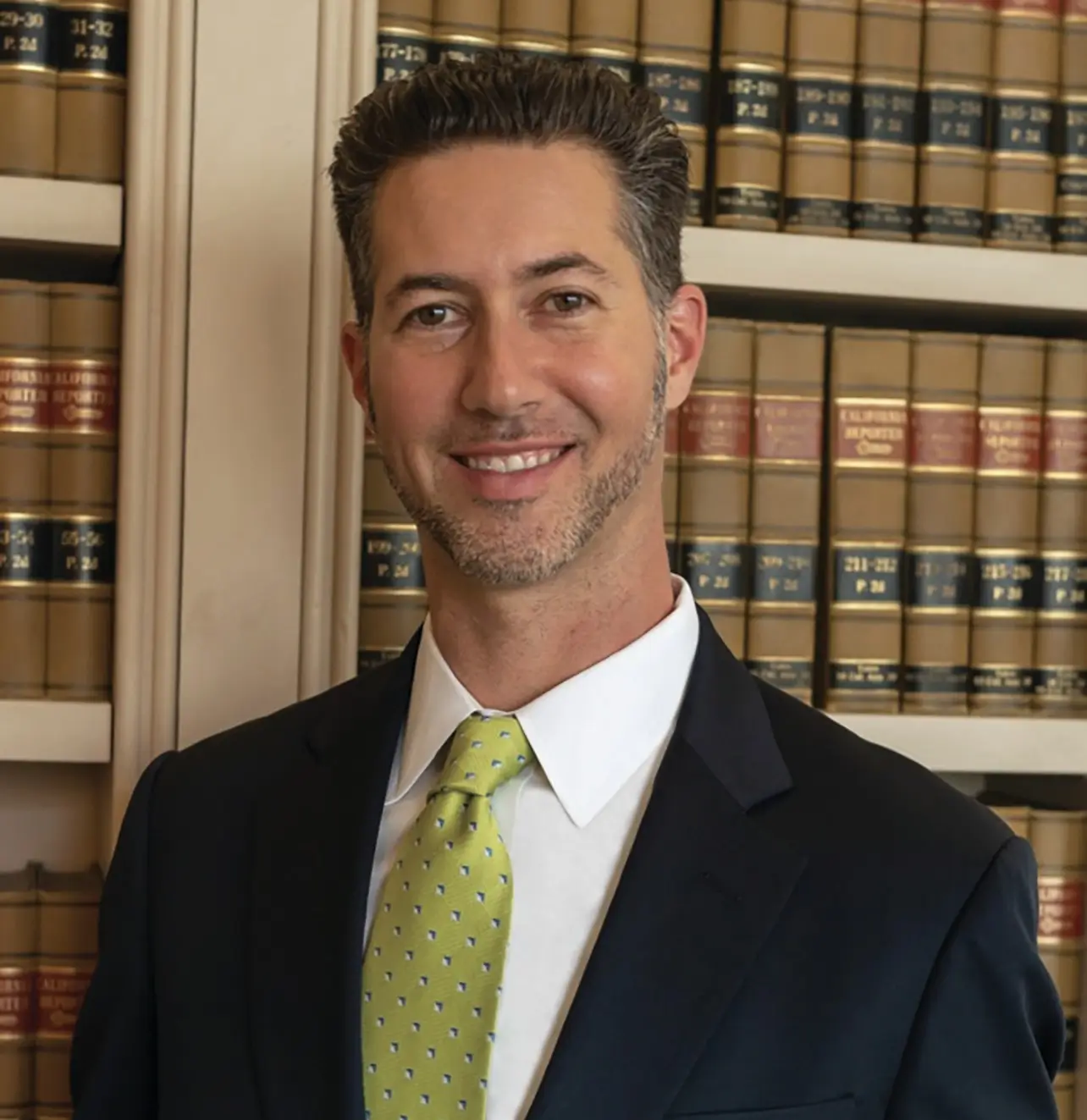
Criminal defense in San Francisco and Oakland. Founder Neil Hallinan is a former public defender and third-generation San Francisco trial lawyer who has tried more than 45 cases to verdict.
Meet Neil HallinanThis article is general information about California law, not legal advice for your situation. Laws change; call us to talk about the facts of your case.